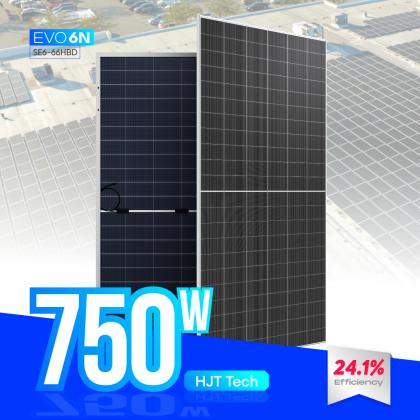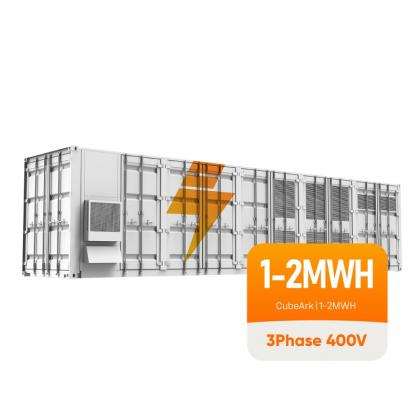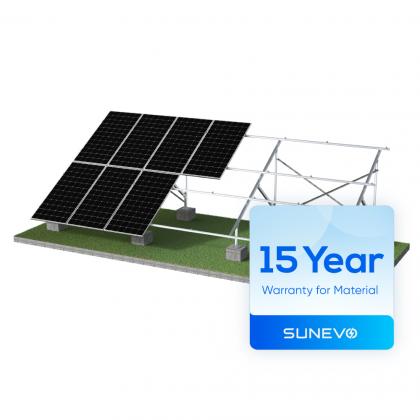
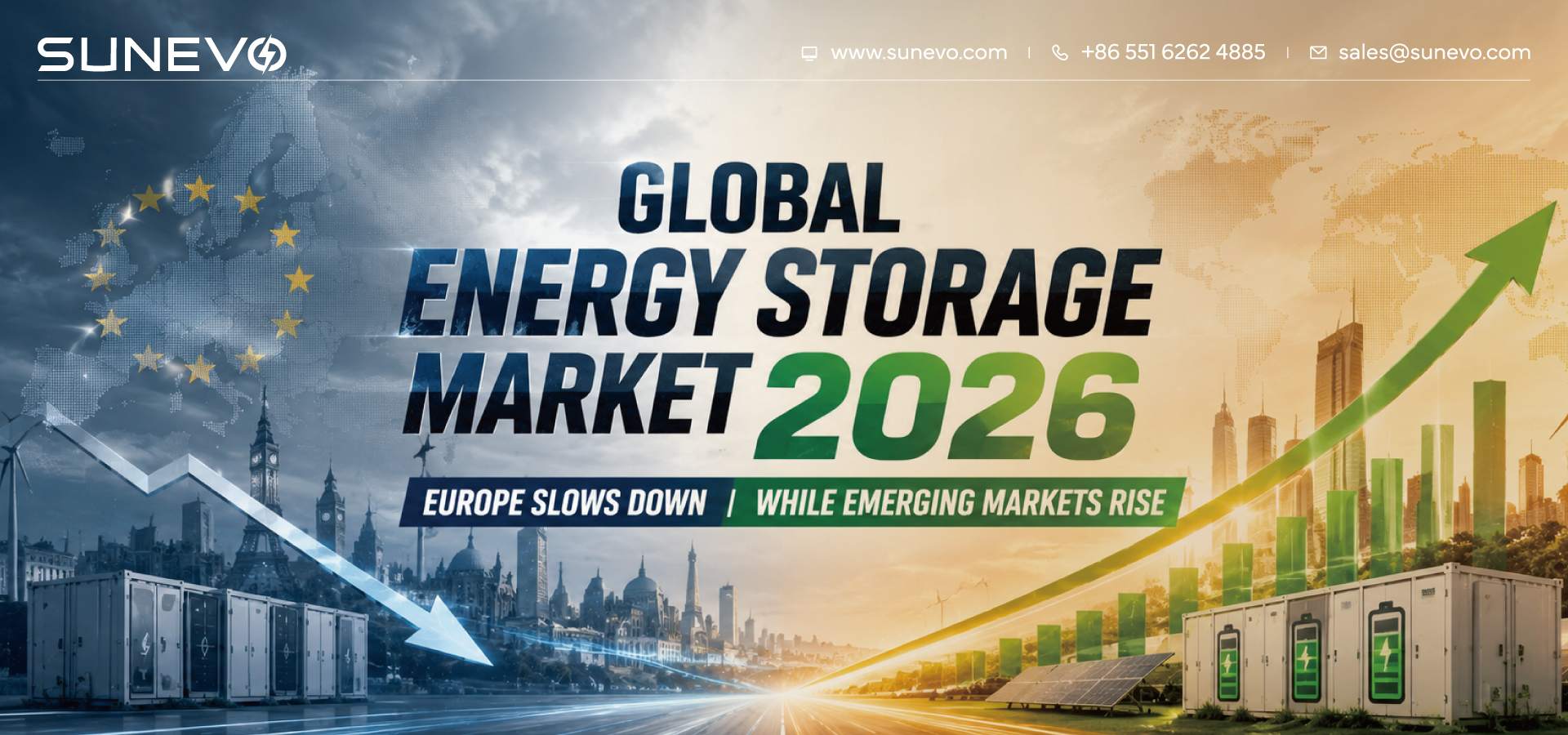
| The global solar energy storage market is growing rapidly, but the expansion is no longer balanced across all regions. Different markets are showing clear differences in policy support, grid infrastructure, electricity demand, solar resources, investment models, and project development speed. In 2025, the global PV and energy storage industry is moving into a more segmented stage. Mature markets such as Europe, China, and the United States are focusing more on grid optimization, energy storage deployment, and business model upgrades. At the same time, emerging solar markets in India, the Middle East, Africa, Southeast Asia, and South Asia are becoming the new growth engines for global solar PV and battery energy storage systems. For solar companies, energy storage suppliers, EPC contractors, distributors, and renewable energy investors, understanding these regional differences is becoming more important than ever. 一、Europe Solar Market: Slower Growth and Rising Grid Challenges Europe has long been one of the world’s leading solar PV markets. However, the European solar market is now facing a turning point. According to industry forecasts, the European Union is expected to add around 65.1GW of new solar PV capacity in 2025, slightly lower than 65.6GW in 2024. This would mark the first annual decline in EU solar installations in nearly ten years. One of the main reasons is the slowdown in the residential rooftop solar market. As household solar subsidies are gradually reduced or removed in several European countries, residential solar installations are facing pressure. Although utility-scale solar projects continue to grow, they are not enough to fully offset the weakness in the rooftop solar segment. At the same time, Europe is facing several structural challenges:
二、Why Battery Energy Storage Is Becoming Essential in Europe The biggest challenge for Europe is no longer solar power generation itself, but how to absorb, store, and use renewable electricity efficiently. As solar penetration increases, the demand for battery energy storage systems, also known as BESS, is rising quickly. Energy storage can help reduce grid congestion, improve renewable energy utilization, stabilize electricity prices, and support peak shaving. In 2024, the EU installed about 18.5GWh of battery storage systems, bringing total installed battery storage capacity to around 49.1GWh. In 2025, new battery energy storage installations are expected to grow by nearly 40%, reaching approximately 25.7GWh. This shows that Europe’s solar market is shifting from a pure PV installation market to a PV-plus-storage market. For BESS manufacturers, hybrid inverter suppliers, lithium battery companies, and solar storage solution providers, Europe still offers strong long-term opportunities, especially in commercial and industrial energy storage, utility-scale battery storage, and grid-side storage projects. 三、Emerging Solar Markets Are Becoming the Core Growth Drivers While Europe faces short-term pressure, emerging solar and energy storage markets are expanding at a much faster pace. India, the Middle East, Africa, Southeast Asia, and South Asia are becoming key growth regions due to strong electricity demand, abundant solar resources, low land costs, weak grid coverage in some areas, and increasing government support for renewable energy transition. Unlike mature markets, many emerging markets are driven by basic power demand. Solar PV and energy storage are not only tools for carbon reduction, but also practical solutions for electricity shortage, unstable grid supply, high diesel fuel costs, and off-grid power needs. This creates strong demand for:
Utility-scale solar remains the dominant segment in India, accounting for the majority of new installations. Large solar projects in states such as Rajasthan, Gujarat, and Maharashtra are helping India build a strong renewable energy base. At the same time, India’s energy storage market is entering a high-growth stage. The country is accelerating the deployment of battery energy storage systems and pumped hydro storage to support grid stability and renewable energy integration.
Middle East Solar Market: Large-Scale Projects and Low-Cost Solar Power The Middle East is becoming one of the most attractive regions for large-scale solar PV development. Countries such as Saudi Arabia, the United Arab Emirates, Oman, and Jordan are investing heavily in renewable energy projects. The region has several natural advantages: Strong solar irradiation Large available land resources Government-backed energy transition plans Large-scale project development capability Competitive solar power generation costs Saudi Arabia and the UAE are leading the regional solar market with gigawatt-scale solar projects. The Middle East is also becoming an important market for battery energy storage systems, especially as governments seek to build stable clean energy supply systems. In this region, demand is rising for:
Africa Solar Market: Strong Demand for Distributed PV and Off-Grid Energy Storage Africa is one of the most promising emerging markets for solar PV and energy storage. In 2025, Africa’s new solar PV installations are expected to grow significantly, driven by both utility-scale projects and distributed solar systems. The African solar market is unique because many areas still face unreliable grid supply or limited electricity access. This makes solar power and battery storage highly practical solutions for households, businesses, mines, telecom towers, farms, and remote communities. South Africa remains the largest solar market in Africa, while Nigeria, Egypt, Algeria, Morocco, Zambia, Tunisia, and Botswana are also seeing strong growth. One important trend is that Africa’s distributed solar market may be much larger than official statistics suggest. A large number of imported solar modules are likely being used for rooftop solar, off-grid solar systems, small commercial solar projects, and microgrid applications. This creates huge opportunities for:
Africa’s battery energy storage market is entering a new stage. The market is shifting from small pilot projects to larger commercial and utility-scale deployments.
For BESS suppliers and solar storage solution providers, Africa represents one of the most promising long-term markets, especially for cost-effective, reliable, and easy-to-deploy energy storage products.
The global solar and energy storage market will continue to grow, but regional differentiation will become more obvious. |



 Obsługiwana sieć IPv6

 English
 français
 Deutsch
 italiano
 español
 português
 العربية
 日本語
日本語 ไทย
ไทย